

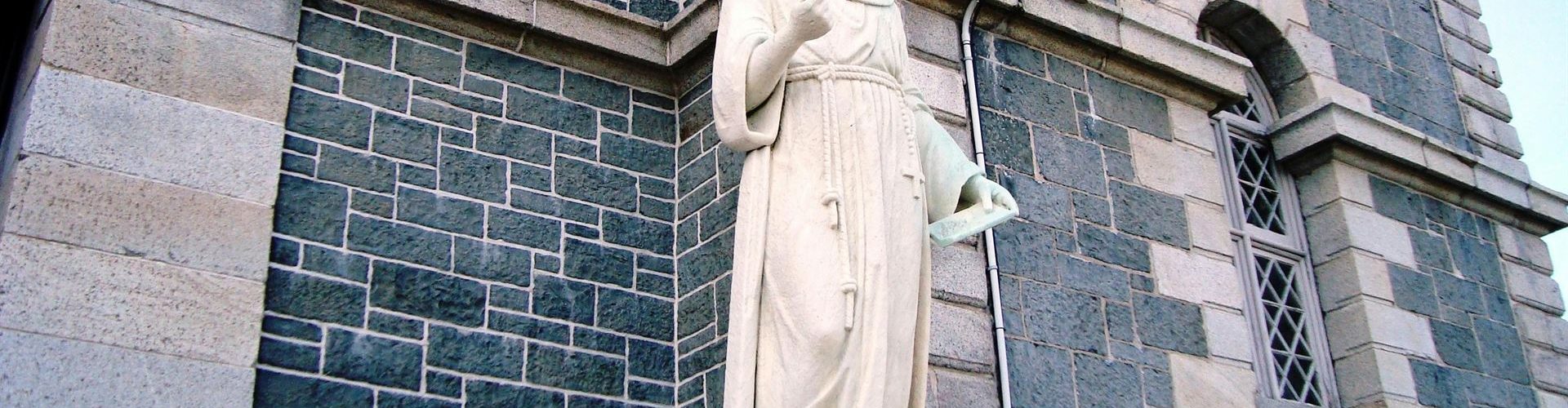
The Basilica Block
The Cathedral Basilica of St. John the Baptist is a monumental structure of religious, cultural, and community significance. It stands alongside the Palace Commons (formerly the Archbishop’s Palace), the Annex, and the Episcopal Library as part of the Basilica Block campus.
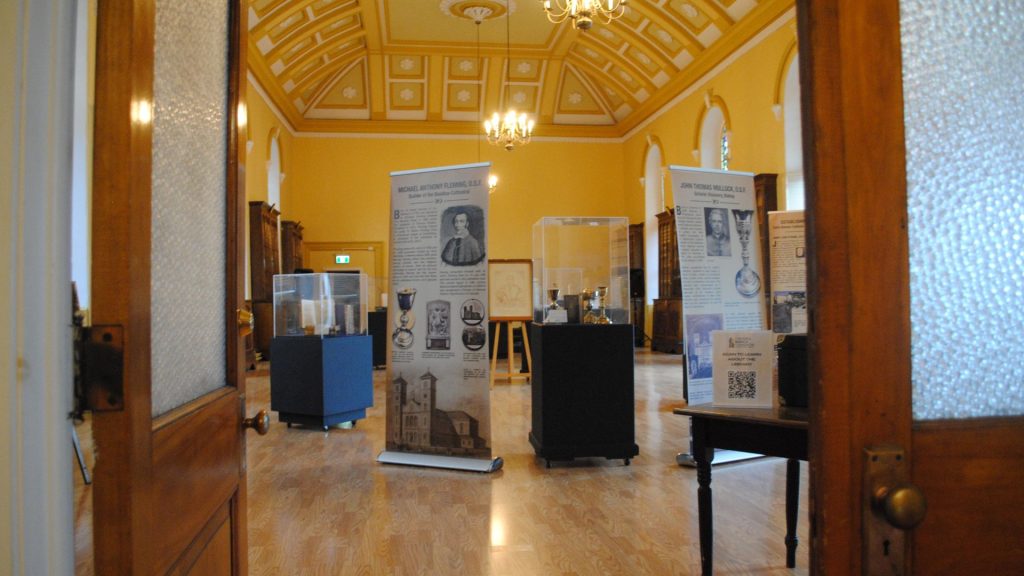
In the early 19th century, the land on which the Basilica Block campus stands today was Crown land, used for storage of building materials and commonly referred to by locals as the Barrens. This changed when clergyman Michael Anthony Fleming came to St. John’s with a bold vision, identifying the site as the ideal spot for a new cathedral. Bishop Fleming believed that constructing of a new place of worship could help unify Catholics in the region by offering a shared goal and sense of purpose.
After years of trials, including multiple journeys to England to advocate for land rights, Bishop Fleming was granted approximately nine acres of land from the Crown in 1838. In 1841, the cornerstone of the cathedral was placed. Construction faced many challenges, including Bishop Fleming’s declining health and eventual death. Responsibility for completing the Cathedral Basilica was taken up by his successor, Bishop John Thomas Mullock, who presided over the final consecration of the Cathedral in 1855. Bishop Mullock also oversaw the construction of several surrounding buildings within the Basilica Block, including St. Bonaventure’s College and the Presentation Convent.
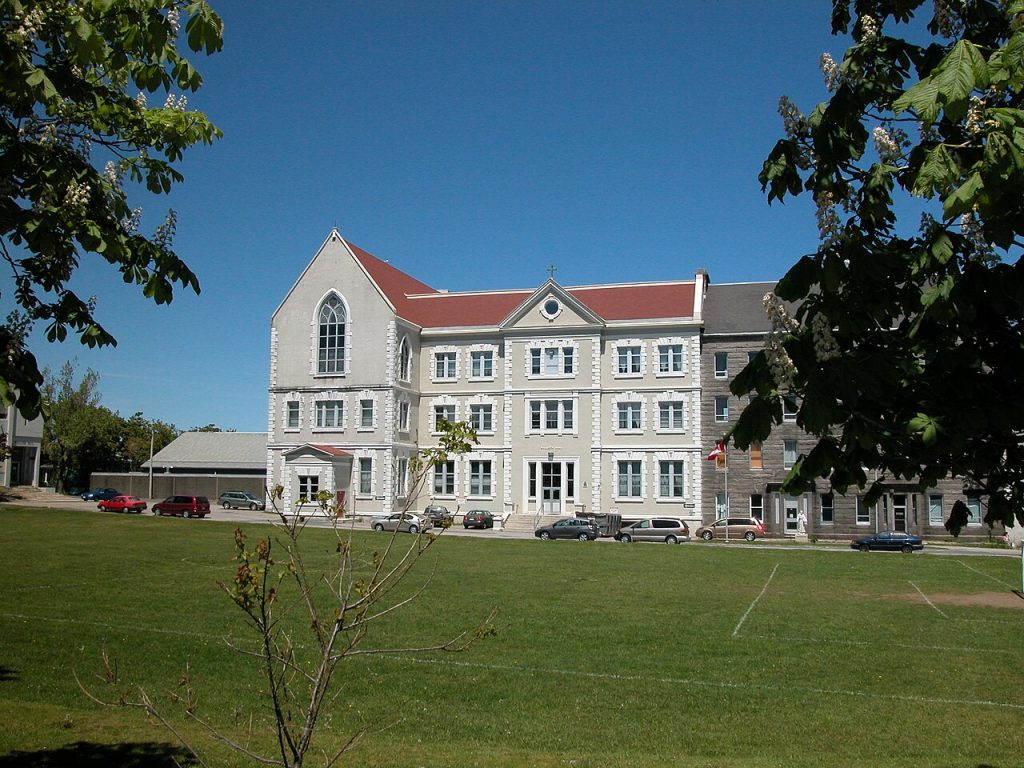
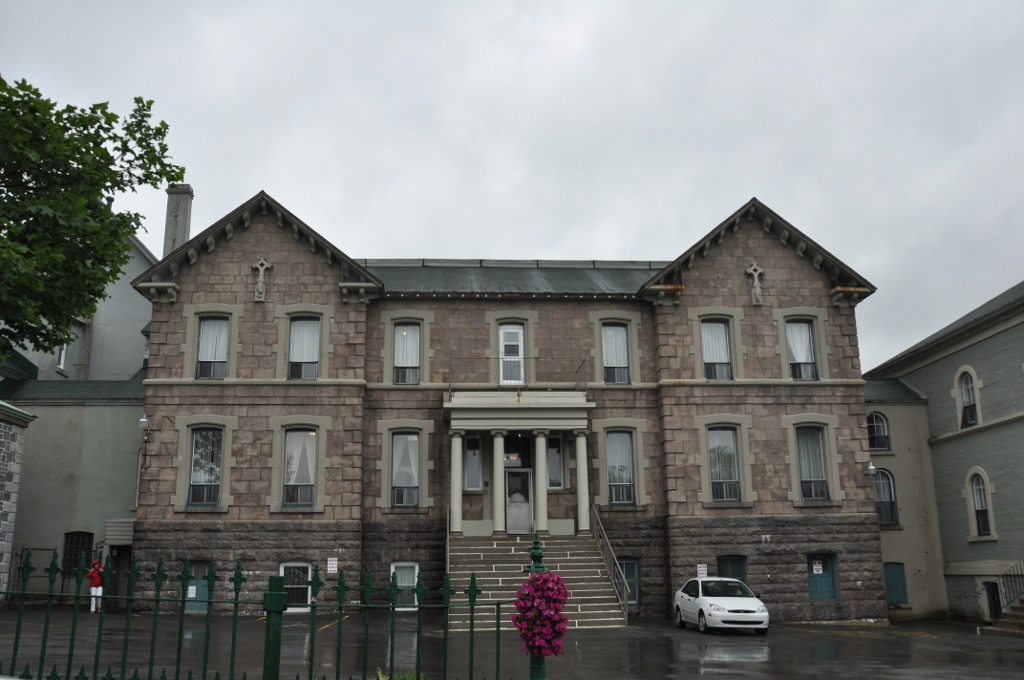
Since that time, the Cathedral Basilica has remained a defining landmark of St. John’s, later receiving recognition as both a National Historic Site and a provincial Registered Heritage Structure. More recently, the Basilica Block campus was purchased by the Cathedral Basilica Foundation with the goal of preserving these historic buildings while reimagining them as active, living community spaces rather than static heritage structures.
This acquisition represents a dynamic continuation of the Cathedral Basilica’s original purpose: to bring people together through shared values of community, accessibility, and inclusivity.
The Palace Commons
The Palace Commons traces its origins to the mid-19th century, when Bishop Mullock oversaw the construction of both the original Episcopal Palace and the Episcopal Library. The original Palace, a four-story residence built in 1850, welcomed notable visitors including U.S. industrialist Cyrus Field and Edward, Prince of Wales. After it burned in 1919, Archbishop E.P. Roche commissioned the prestigious American architectural firm Delano and Aldrich — known for their work on the Knickerbocker Club in New York and structural alterations to the White House — to design a new Archbishop’s Palace. Completed in 1923-24 in the Beaux-Arts style, the building was designated a National Historic Site of Canada in 2007.
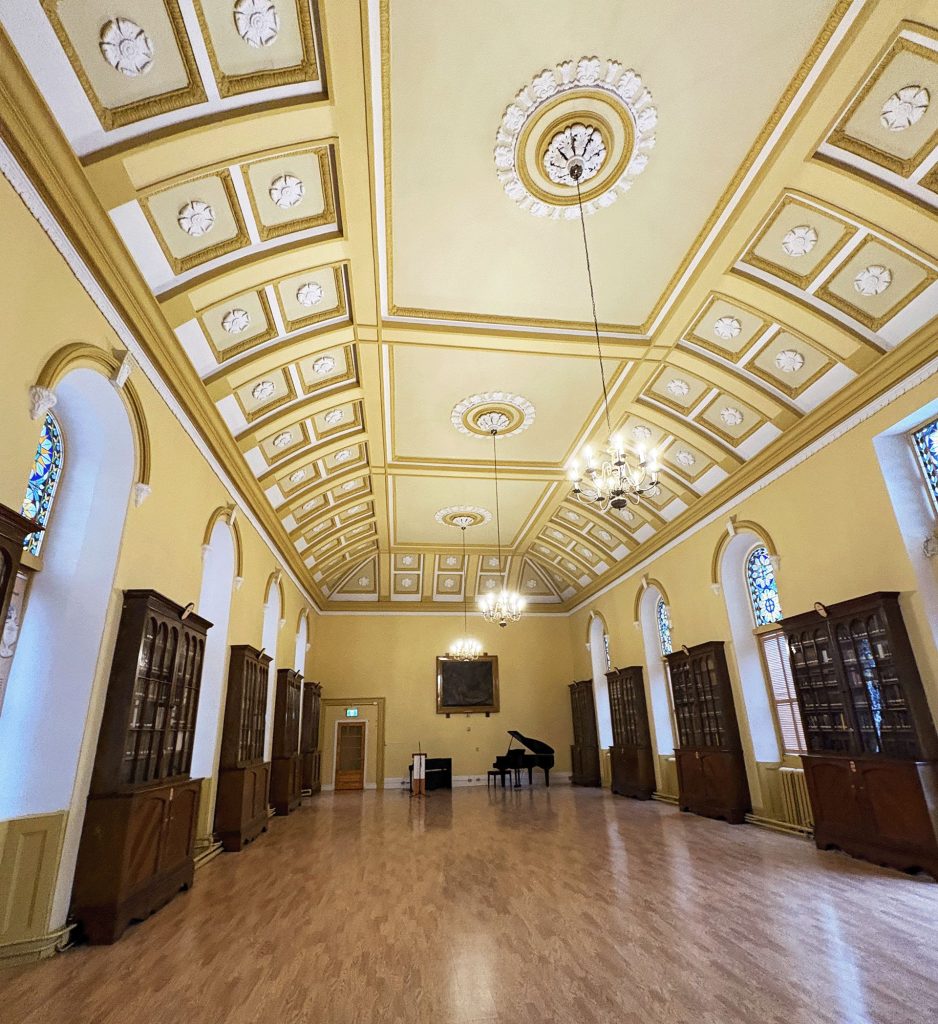
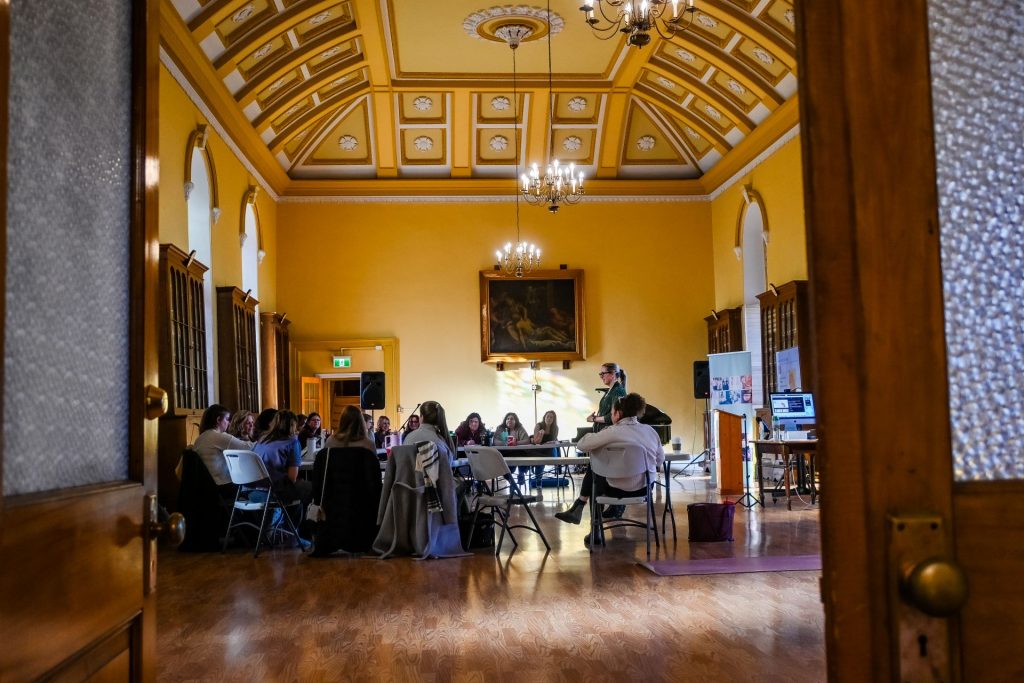
Host an Event
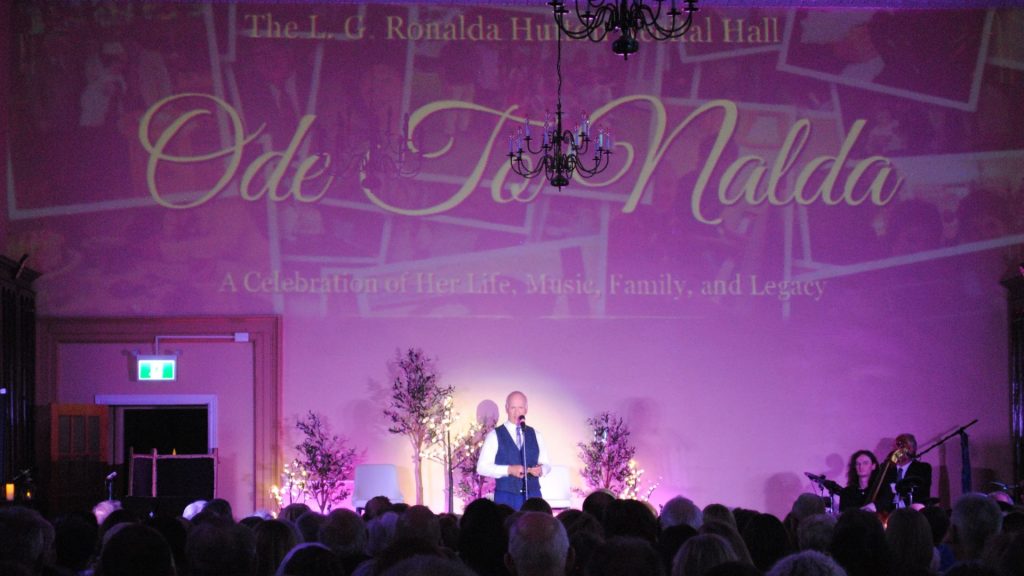
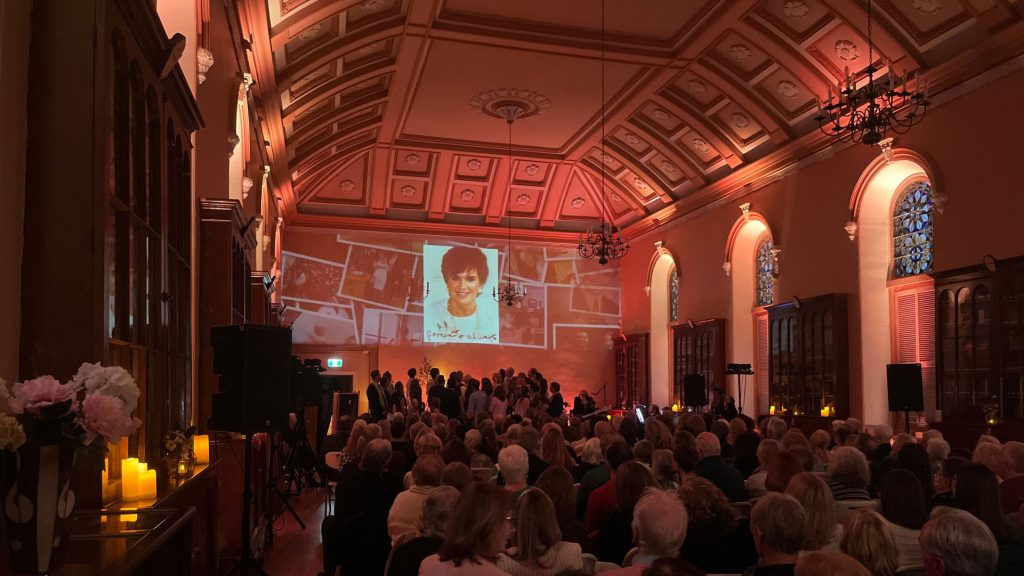
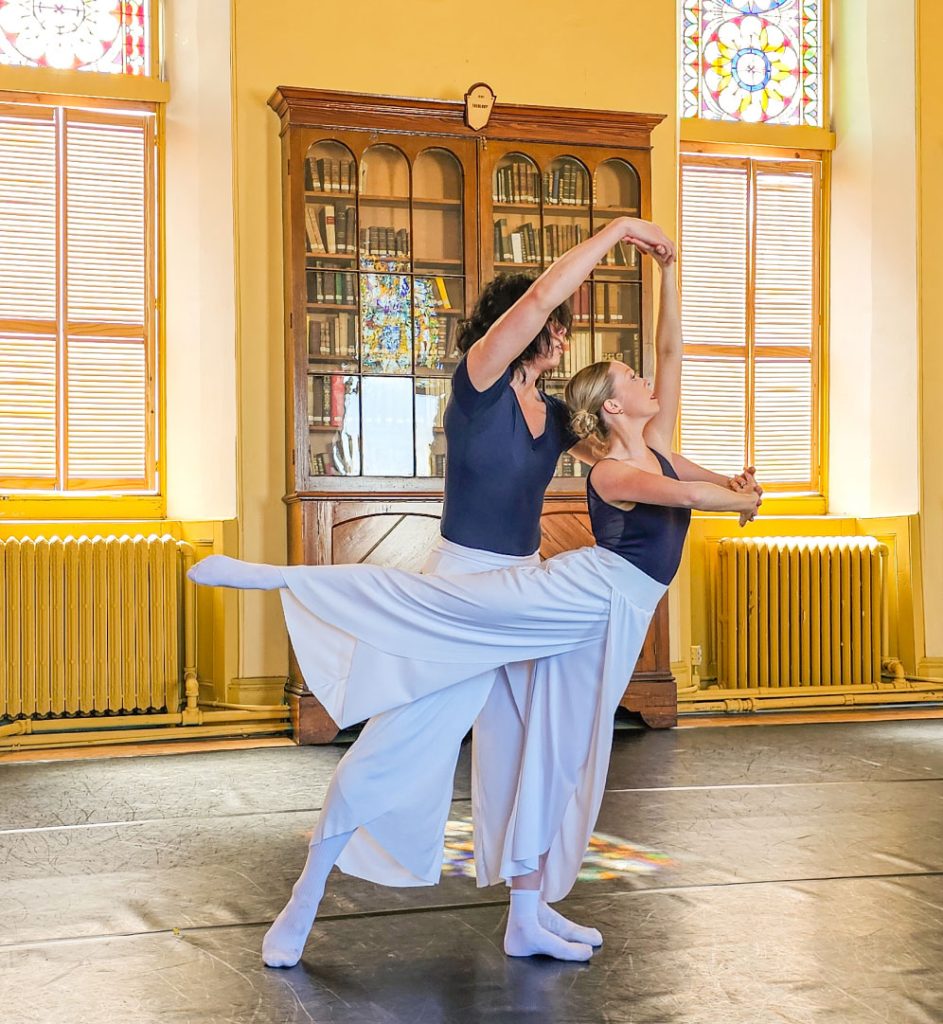
The Cathedral Basilica and the Palace Commons are available for concerts, lectures, workshops, and recordings. We welcome collaborations with local artists, educators, and organizations seeking an inspiring venue.